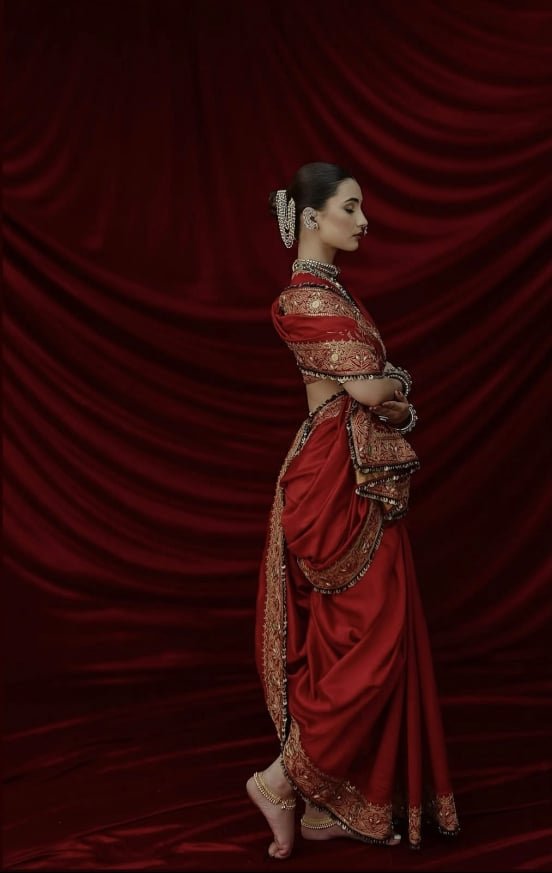
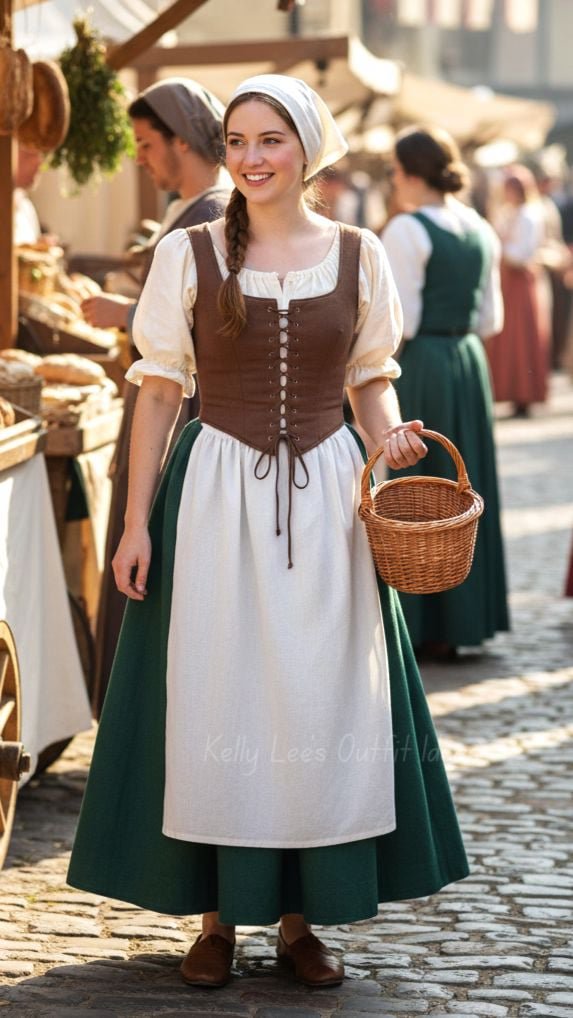
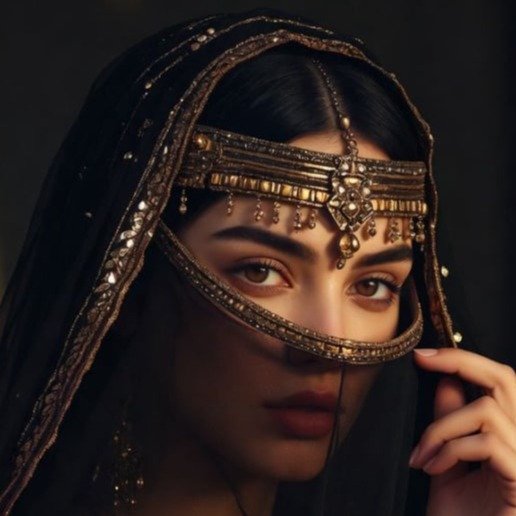
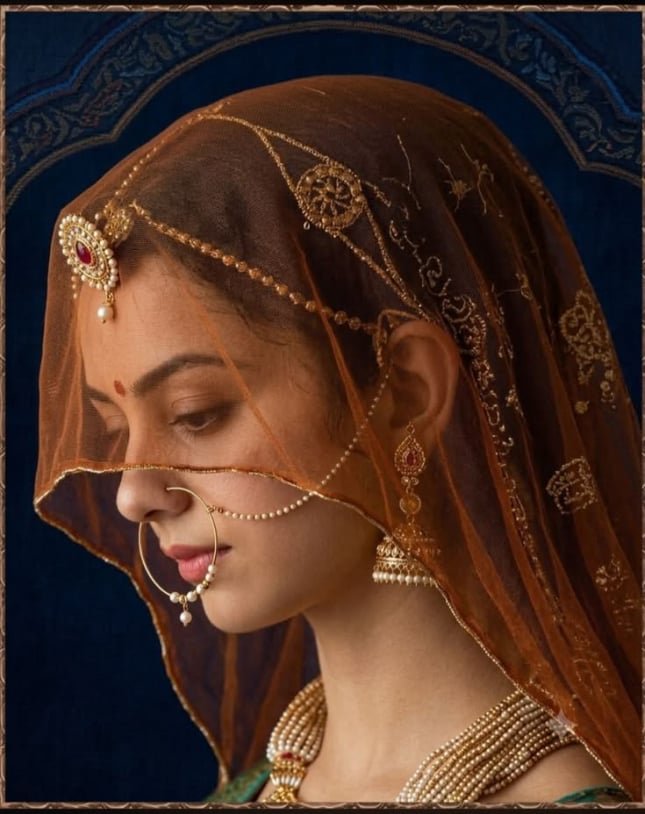
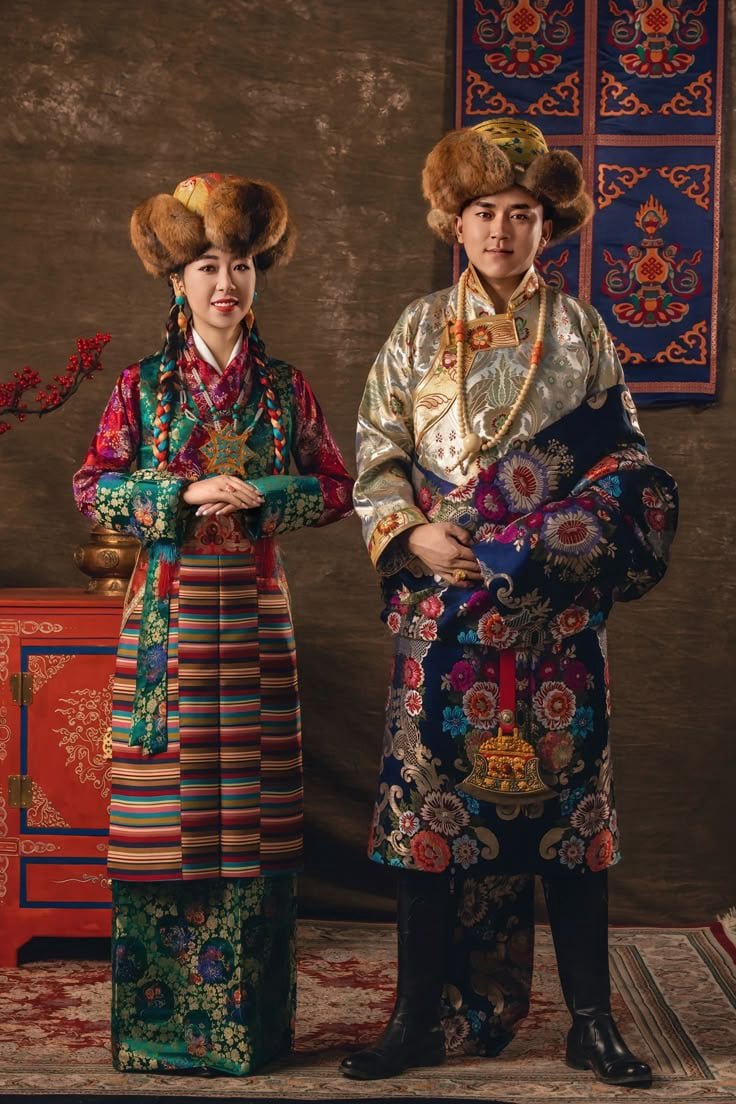
With a deep understanding of historical textiles, traditional garments, and cultural fashion practices, they offer valuable insights into the clothing traditions of ancient civilizations and the ways people used dress to express identity, status, beliefs, and heritage.
Their primary role involves exploring historical garments, traditional textiles, cultural symbolism, and the different ways clothing reflected the lifestyle, social status, beliefs, and heritage of ancient civilizations.
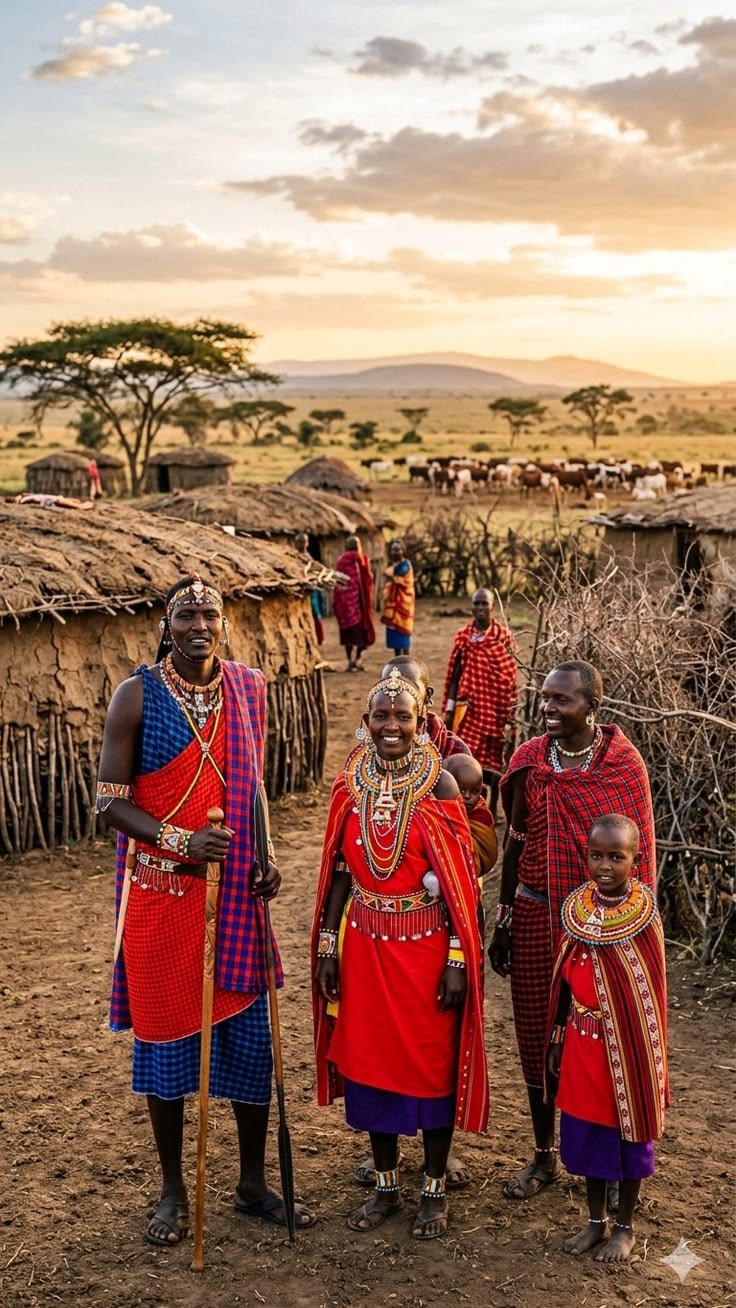
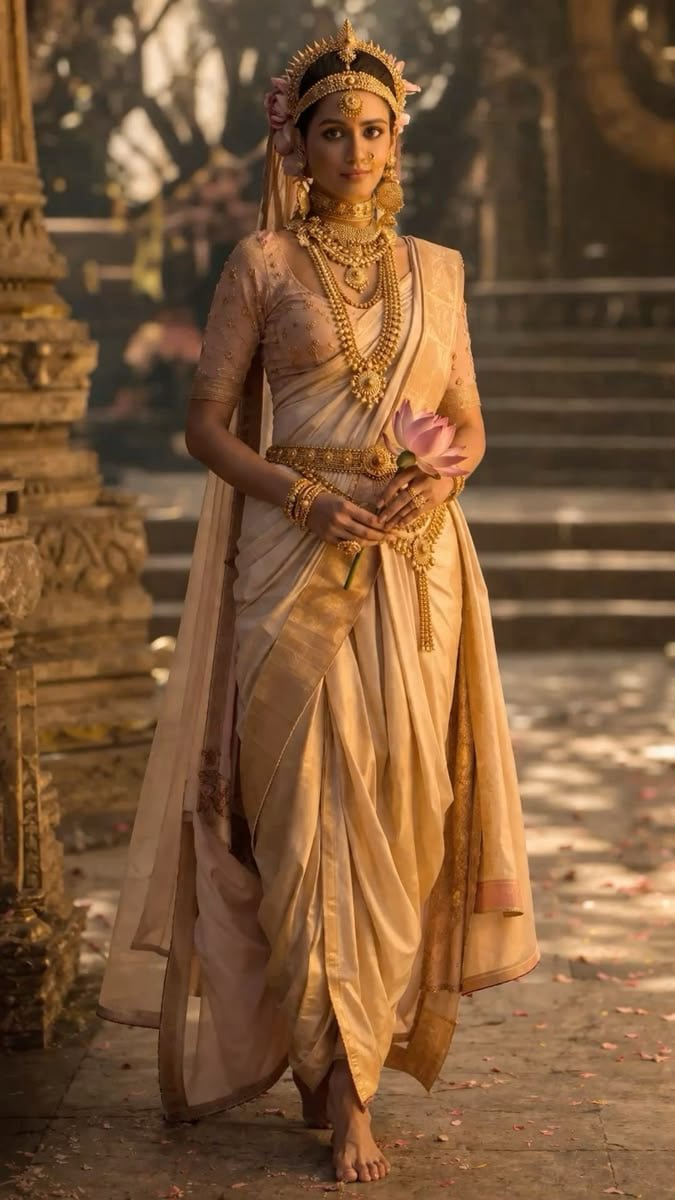
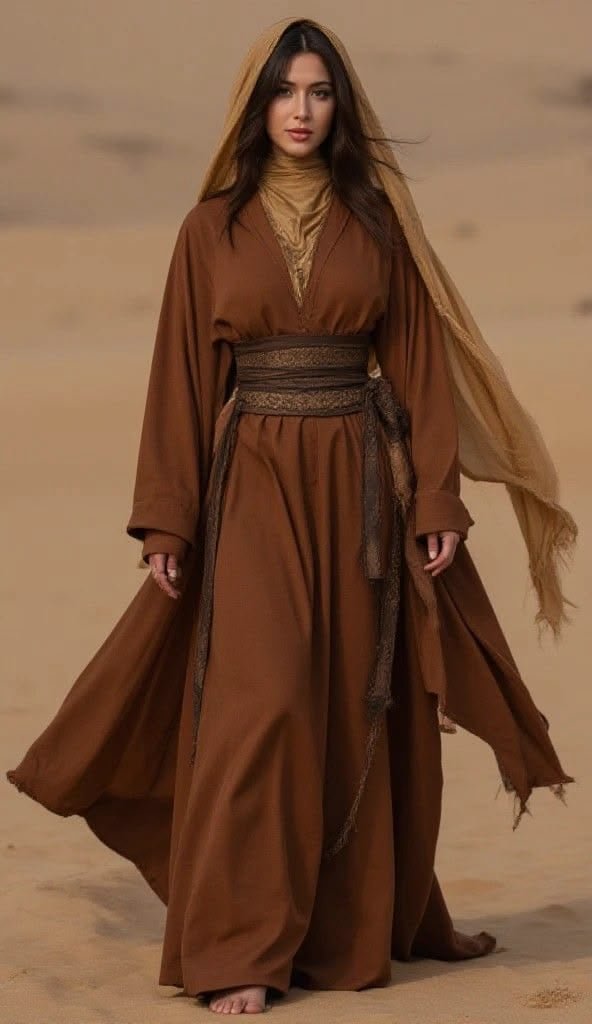
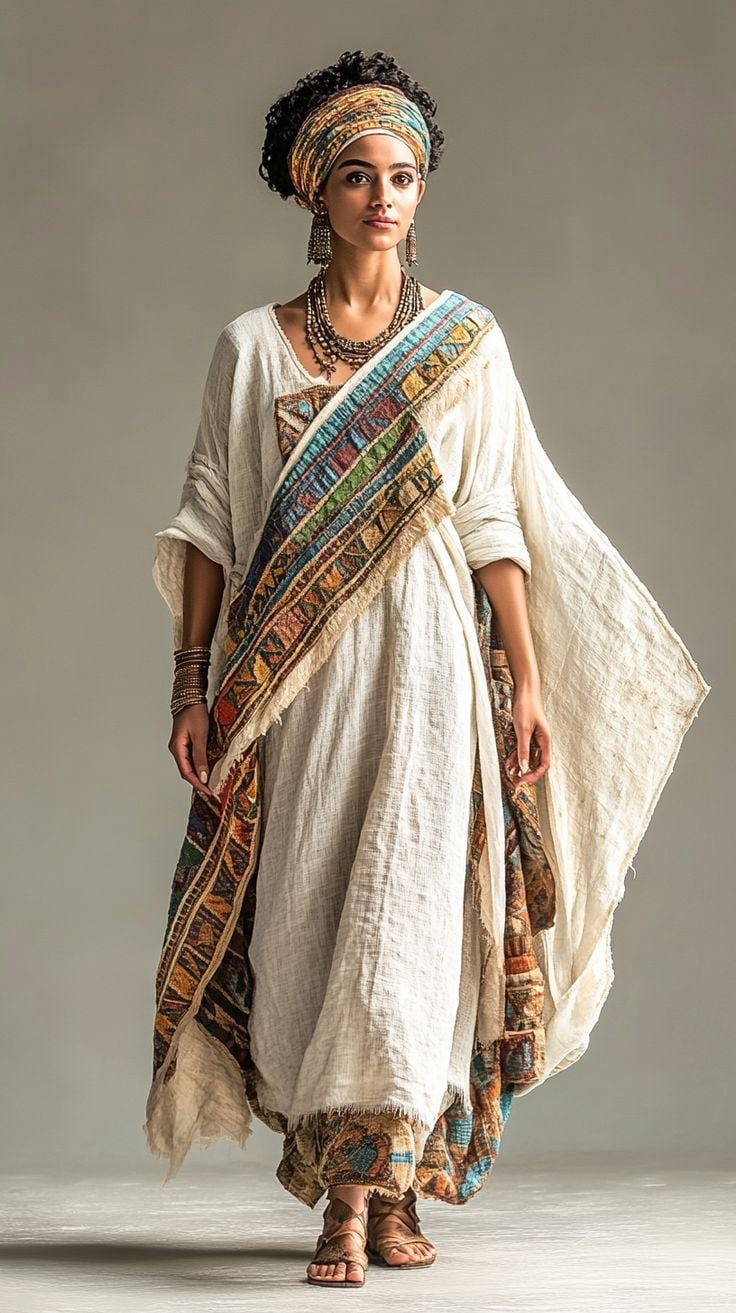
Robes, tunics, and draped garments were commonly worn across ancient civilizations, reflecting local customs, climate, and everyday lifestyles. Decorative clothing was often reserved for special occasions and ceremonies.
Natural materials such as linen, wool, cotton, and silk were used to create clothing in different ancient cultures. The availability and quality of these fabrics often reflected a region's resources and trading connections.Natural materials such as linen, wool, cotton, and silk were used to create clothing in different ancient cultures. The availability and quality of these fabrics often reflected a region's resources and trading connections.
Clothing was also used to express social status, occupation, religious beliefs, and cultural identity. Colors, patterns, jewelry, and decorative details could distinguish rulers, warriors, priests, and different social groups.
Let's say the financial adviser, Frank Lewis, has been in business for 12 years. Over this time, he has established a reputation for providing expert financial advice to her diverse clientele.
This includes areas such as ancient garments, traditional textiles, clothing techniques, cultural symbolism, and historical fashion practices. The goal is to help people understand the significance of ancient clothing, explore cultural heritage, appreciate traditional craftsmanship, and discover how clothing reflected the lifestyles and identities of past civilizations.
"My experience exploring ancient clothing traditions was truly fascinating. The detailed insights into traditional garments and their cultural significance helped me better understand the heritage of past civilizations."
"The study of ancient clothing traditions transformed my understanding of historical cultures. Learning about textiles, craftsmanship, and symbolic clothing helped me appreciate how deeply fashion was connected to society and identity."
"I'm so grateful for the guidance I received while learning about ancient clothing. It introduced me to traditional fabrics, garment-making techniques, and the cultural stories preserved through clothing across generations."
Ancient civilizations commonly used natural materials such as linen, wool, cotton, silk, leather, and plant fibers to create clothing. The materials available depended largely on the region, climate, local resources, and trade connections. For example, linen was especially important in ancient Egypt because it was well suited to the hot climate, while wool was widely used in colder regions. Wealthier people often had access to finer fabrics, detailed embroidery, dyes, and decorative elements. Clothing materials therefore provided not only comfort and protection but also reflected the resources, craftsmanship, and technological development of different ancient societies.
Clothing in ancient cultures was much more than something worn for protection or comfort. It often represented a person's social status, wealth, occupation, religious beliefs, cultural identity, and position within society. Rulers and wealthy individuals could wear luxurious fabrics, elaborate patterns, jewelry, and specially designed garments to show their importance. Religious figures might wear particular colors or ceremonial clothing connected to spiritual traditions. Everyday clothing, on the other hand, was generally simpler and designed according to practical needs. In this way, ancient clothing became an important form of communication and helped people express their identity and place within their communities.
Studying ancient clothing traditions helps us understand how people lived, worked, traveled, celebrated, and expressed their cultural identity in the past. Clothing can reveal information about climate, available natural resources, trade routes, social structures, religious practices, and technological development. The methods used to weave, dye, sew, decorate, and preserve garments also demonstrate the craftsmanship and creativity of ancient societies. By examining surviving garments, artwork, sculptures, and historical records, researchers can learn how fashion developed over time and how different cultures influenced one another. Preserving these traditions also helps future generations appreciate the cultural heritage and craftsmanship of ancient civilizations.